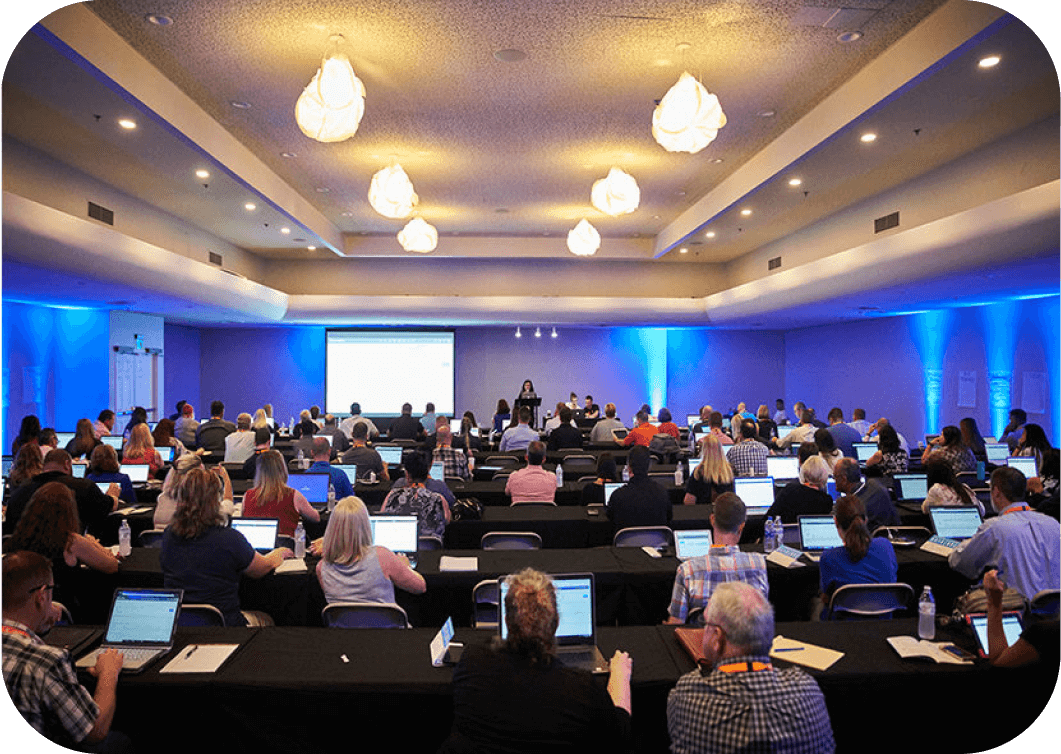
The event management landscape continues to evolve rapidly in 2026. With advancing technology, changing attendee expectations, and increasing pressure to demonstrate ROI, event professionals must adapt their strategies to stay ahead. Here are the 10 essential best practices that separate exceptional events from forgettable ones.
1. Define Clear, Measurable Objectives
Before diving into logistics, establish specific, measurable goals for your event. Whether it's lead generation, brand awareness, or community building, having clear objectives guides every decision you make.
Key Metrics to Track:
- Attendance rate vs. registration
- Engagement scores (session attendance, interaction rates)
- Lead quality and conversion rates
- Net Promoter Score (NPS)
- Revenue generated or cost per attendee
2. Leverage Event Technology Strategically
Technology should enhance, not complicate, the event experience. In 2026, successful events integrate platforms that handle ticketing, check-in, engagement, and analytics seamlessly.
Essential Technologies:
- All-in-one event management platforms (like Cusyncore)
- Mobile event apps for attendee engagement
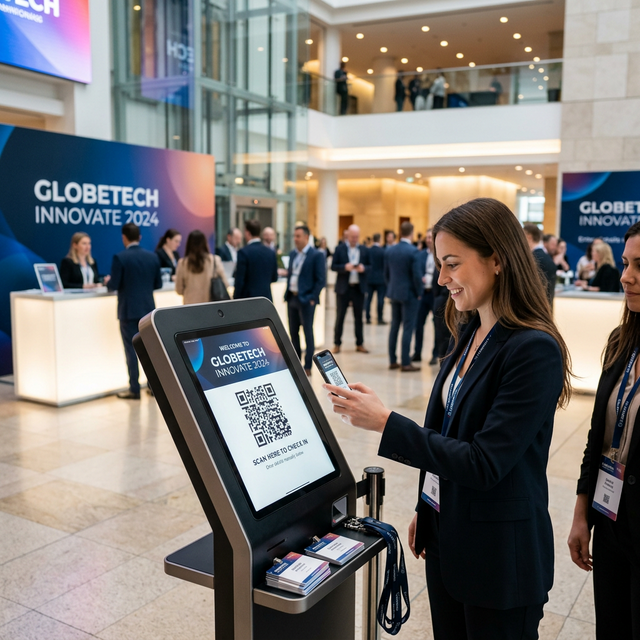
- QR code check-in systems
- AI-powered chatbots for attendee support
- Real-time analytics dashboards
3. Prioritize Attendee Experience
Every touchpoint matters—from registration to post-event follow-up. Map the entire attendee journey and identify opportunities to delight participants at each stage.
Experience Enhancers:
- Personalized agendas based on interests
- Frictionless check-in processes
- Comfortable, accessible venues
- Quality catering and networking opportunities
- Timely communication before, during, and after the event
4. Implement Hybrid Event Models
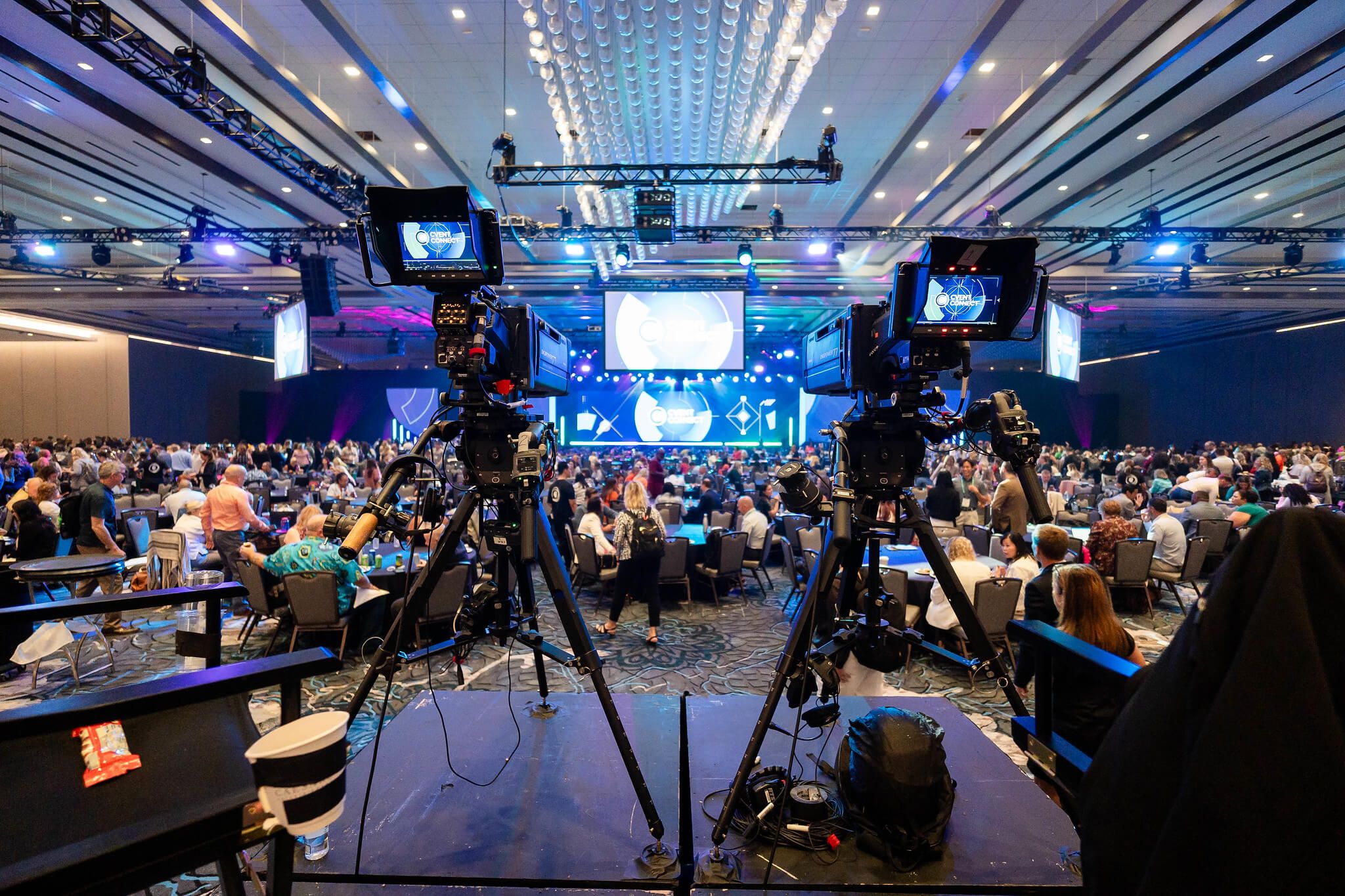
Hybrid events aren't just a pandemic legacy—they're here to stay. Offering both in-person and virtual attendance options dramatically expands your reach and accommodates diverse attendee preferences.
Hybrid Success Factors:
- Invest in quality streaming equipment
- Create engaging content for both audiences
- Enable interaction between virtual and in-person attendees
- Provide on-demand access to recorded sessions
5. Data-Driven Decision Making
Use data analytics to inform every aspect of your event planning. Historical data, predictive analytics, and real-time insights help you optimize resources and improve outcomes.
Analytics to Monitor:
- Registration patterns and trends
- Session popularity and attendance
- Attendee flow and congestion points
- Engagement metrics by segment
- Post-event survey responses
6. Build Strategic Partnerships
Strong vendor relationships and strategic sponsorships enhance event quality while managing costs. Cultivate partnerships with venues, caterers, AV providers, and technology platforms.
Partnership Benefits:
- Preferential pricing and priority booking
- Reliability and quality assurance
- Sponsorship revenue opportunities
- Enhanced attendee experiences
7. Create Engaging, Value-Driven Content
Content is king. Your event agenda should deliver genuine value through expert speakers, actionable insights, and opportunities for learning and networking.
Content Best Practices:
- Diverse speaker lineup representing various perspectives
- Interactive formats (workshops, panels, Q&As)
- Practical, actionable takeaways
- Balanced schedule with breaks for networking
- Pre-event content to build anticipation
8. Develop Comprehensive Risk Management Plans
Unexpected challenges will arise. Successful event managers anticipate potential issues and have contingency plans ready to execute.
Key Risk Areas:
- Weather disruptions (for outdoor events)
- Technology failures
- Speaker cancellations
- Low attendance scenarios
- Health and safety concerns
9. Maximize Engagement Through Gamification
Gamification elements boost participation and create memorable experiences. Points, badges, leaderboards, and prizes incentivize desired behaviors like session attendance and networking.
Gamification Ideas:
- Scavenger hunts (physical or digital)
- Networking challenges
- Social media contests
- Quiz competitions
- Achievement badges for app engagement
10. Implement Robust Post-Event Follow-Up
The event doesn't end when attendees leave. Strategic follow-up maintains momentum, gathers feedback, and nurtures relationships for future events.
Follow-Up Checklist:
- Send thank-you emails within 24 hours
- Share session recordings and resources
- Conduct comprehensive surveys
- Analyze data and create post-event reports
- Nurture leads with targeted communications
- Document lessons learned for future events
Putting It All Together
Implementing these best practices requires the right tools and mindset. Modern event management platforms like Cusyncore integrate many of these capabilities—from AI-powered analytics to seamless attendee experiences—into one unified solution.
The most successful events in 2026 will be those that combine strategic planning, cutting-edge technology, and unwavering focus on attendee value. By following these best practices, you'll create events that not only meet objectives but exceed expectations.
Ready to implement these best practices?
See how Cusyncore makes it easy with our all-in-one event management platform.
Schedule a Demo