The event technology landscape is evolving at breakneck speed. What seemed like science fiction just five years ago is now commonplace at corporate events. As we navigate 2026, forward-thinking event professionals are leveraging cutting-edge technologies to create more engaging, efficient, and measurable experiences. Here are the trends reshaping our industry.
1. AI-Powered Event Assistants Go Mainstream
Artificial intelligence has graduated from experimental to essential. In 2026, AI assistants are revolutionizing every phase of event management:
Pre-Event AI Applications
- Predictive Analytics: AI forecasts attendance, revenue, and engagement with 85%+ accuracy
- Smart Scheduling: Algorithms optimize session timing and speaker placement
- Personalized Marketing: AI tailors messaging to individual attendee preferences
- Chatbot Pre-Registration: 24/7 automated support handles common queries
During-Event AI Features
- Real-Time Translation: Simultaneous multi-language support for global audiences
- Smart Matchmaking: AI connects attendees with similar interests and goals
- Dynamic Content Curation: Personalized agenda recommendations
- Sentiment Analysis: Real-time monitoring of attendee satisfaction
Post-Event AI Intelligence
- Automated Follow-Up: Personalized email sequences based on attendee behavior
- Insights Generation: AI analyzes data to surface actionable recommendations
- Content Summarization: Automatic generation of session summaries and key takeaways
2. Immersive Extended Reality (XR) Experiences
The boundary between physical and digital events continues to blur. Extended reality—encompassing virtual, augmented, and mixed reality—creates memorable experiences that were impossible just years ago.
Virtual Reality (VR) Applications
- Virtual Venues: Photorealistic 3D environments for remote attendees
- Product Demonstrations: Interactive 3D product showcases
- Training Simulations: Hands-on learning in safe virtual environments
- Virtual Networking Lounges: Avatar-based social spaces
Augmented Reality (AR) Integration
- Enhanced Wayfinding: AR arrows guide attendees through venues
- Interactive Exhibits: Digital overlays bring static displays to life
- Business Card Scanning: Instant contact capture with AR recognition
- Gamified Experiences: AR scavenger hunts and challenges
Mixed Reality (MR) Innovations
- Holographic Speakers: Remote presenters appear as lifelike holograms
- Collaborative Workspaces: Physical and virtual teams work together seamlessly
- Interactive Data Visualization: 3D charts and models attendees can manipulate
3. Sustainability Takes Center Stage
Environmental consciousness isn't just a nice-to-have—it's a competitive differentiator. Events in 2026 prioritize sustainability through technology:
Digital-First Solutions
- Paperless Operations: Digital tickets, agendas, and badges
- Virtual Attendance Options: Reducing carbon footprint from travel
- Digital Swag Bags: Electronic resources instead of physical giveaways
Green Technology Integration
- Carbon Tracking: Real-time monitoring and offsetting of event emissions
- Smart Energy Management: IoT sensors optimize venue lighting and HVAC
- Waste Reduction Analytics: Data-driven minimization of event waste
- Sustainable Sourcing Platforms: Connecting with eco-friendly vendors
Transparency & Reporting
- Automated sustainability impact reports for stakeholders
- Public dashboards showing environmental commitments
- Certification tracking (LEED, ISO 20121)
4. Hyper-Personalization Through Data
Generic, one-size-fits-all events are extinct. Today's attendees expect experiences tailored to their specific interests, goals, and preferences.
Personalization Technologies
- Dynamic Agendas: Recommendations based on professional profile and past behavior
- Smart Content Delivery: Targeted resources and follow-up materials
- Preference Learning: Systems that improve personalization over time
- Contextual Notifications: Relevant alerts at the right moment
Data Sources Driving Personalization
- Registration form responses
- Browsing behavior on event website/app
- Session attendance patterns
- Social media activity
- CRM data integration
- Previous event participation
5. Blockchain for Transparency and Security
Blockchain technology brings unprecedented security, transparency, and verification to event operations:
Ticketing & Access Control
- NFT Tickets: Unique, non-transferable digital tickets preventing fraud
- Smart Contracts: Automated refunds and transfers based on predefined rules
- Proof of Attendance: Verifiable digital certificates stored on blockchain
Voting & Governance
- Tamper-proof election systems for member organizations
- Transparent voting records with anonymity preserved
- Instant, auditable results
Sponsorship & Payments
- Cryptocurrency payment options
- Transparent sponsorship ROI tracking
- Smart contracts for vendor agreements
6. 5G and Edge Computing Enable Real-Time Experiences
Blazing-fast 5G networks and distributed edge computing power previously impossible real-time applications at events:
Enhanced Capabilities
- HD Live Streaming: Crystal-clear broadcast to unlimited virtual attendees
- Real-Time Polling: Instant results from thousands of participants
- AR/VR with No Lag: Smooth immersive experiences without latency
- Live Analytics: Dashboards updating in real-time
- Crowd Flow Management: Real-time heatmaps prevent congestion
7. Biometric Technology Streamlines Check-In
Frictionless entry is the new standard. Biometric systems replace traditional badges and QR codes:
Biometric Options
- Facial Recognition: Walk-through entry with automatic identification
- Fingerprint Scanning: Secure access to VIP areas
- Voice Recognition: Hands-free check-in commands
Privacy Considerations
- Opt-in systems with clear consent
- Data encryption and secure storage
- Automatic deletion post-event
- GDPR and CCPA compliance
8. IoT and Smart Venues
Internet of Things sensors transform traditional venues into intelligent, responsive environments:
Smart Venue Features
- Occupancy Monitoring: Real-time room capacity tracking
- Environmental Control: Automatic temperature and lighting adjustments
- Smart Badges: RFID-enabled for automatic session check-in
- Asset Tracking: Real-time location of equipment and resources
9. Advanced Analytics and Predictive Intelligence
Event data has exploded in volume and sophistication. Modern analytics platforms provide insights that were impossible previously:
Analytical Capabilities
- Predictive Modeling: Forecast outcomes before the event
- Cohort Analysis: Compare performance across audience segments
- Path Analysis: Understand attendee journey through the event
- Behavioral Clustering: Identify patterns in attendee engagement
- Attribution Modeling: Determine event influence on business outcomes
10. Unified Event Technology Platforms
The era of cobbling together multiple point solutions is ending. Organizations demand integrated platforms that handle all event needs:
All-in-One Platform Benefits
- Single Source of Truth: Unified data across all event functions
- Seamless Integrations: Connected workflows with CRM, marketing automation
- Consistent Experience: Branded touchpoints throughout attendee journey
- Simplified Management: One platform to learn, one vendor relationship
- Comprehensive Analytics: Cross-functional insights in one dashboard
Platforms like Cusyncore exemplify this trend, bringing event management, fundraising, community engagement, and communications into one unified ecosystem.
The Human Touch Remains Essential
Despite all these technological advances, the most successful events in 2026 don't lose sight of what matters most: human connection. Technology should enhance—not replace—authentic interactions and meaningful experiences.
Balancing Tech and Touch
- Use AI to free staff for high-value personal interactions
- Leverage matchmaking to facilitate meaningful connections
- Create tech-free zones for unplugged networking
- Design digital experiences that feel warm and human
Getting Started with Event Technology
The array of options can be overwhelming. Here's a practical adoption roadmap:
Phase 1: Foundation (Months 1-3)
- Implement integrated event management platform
- Establish mobile event app
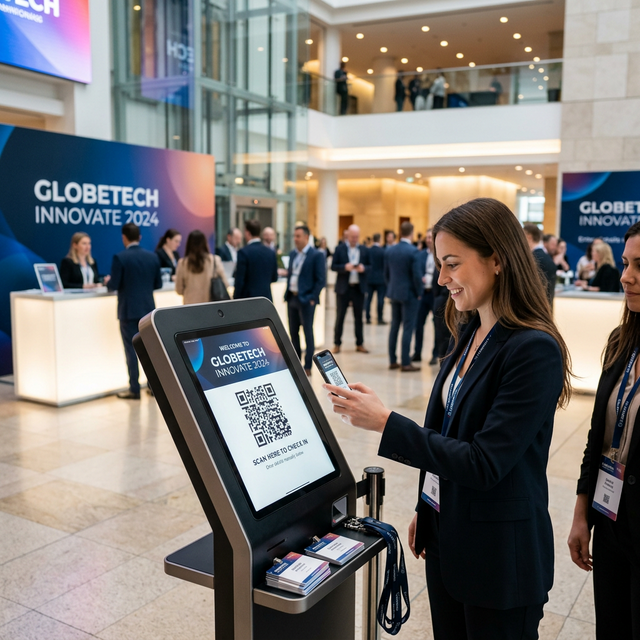
- Deploy QR code check-in
- Set up basic analytics
Phase 2: Enhancement (Months 4-6)
- Add AI-powered personalization
- Integrate CRM for lead tracking
- Implement hybrid event capabilities
- Launch engagement gamification
Phase 3: Innovation (Months 7-12)
- Explore AR/VR experiences
- Deploy advanced predictive analytics
- Pilot biometric check-in
- Implement sustainability tracking
Conclusion: The Future is Now
These trends aren't distant possibilities—they're reshaping events today. Organizations that embrace these technologies thoughtfully will create more engaging experiences, operate more efficiently, and deliver measurable business value.
The key is strategic adoption: start with technologies that solve your biggest pain points, then expand as you build capability and confidence. The future of events is technology-enabled, human-centered, and more exciting than ever.
Experience the Future of Event Technology
See how Cusyncore brings these cutting-edge capabilities into one powerful platform.
Request a Demo